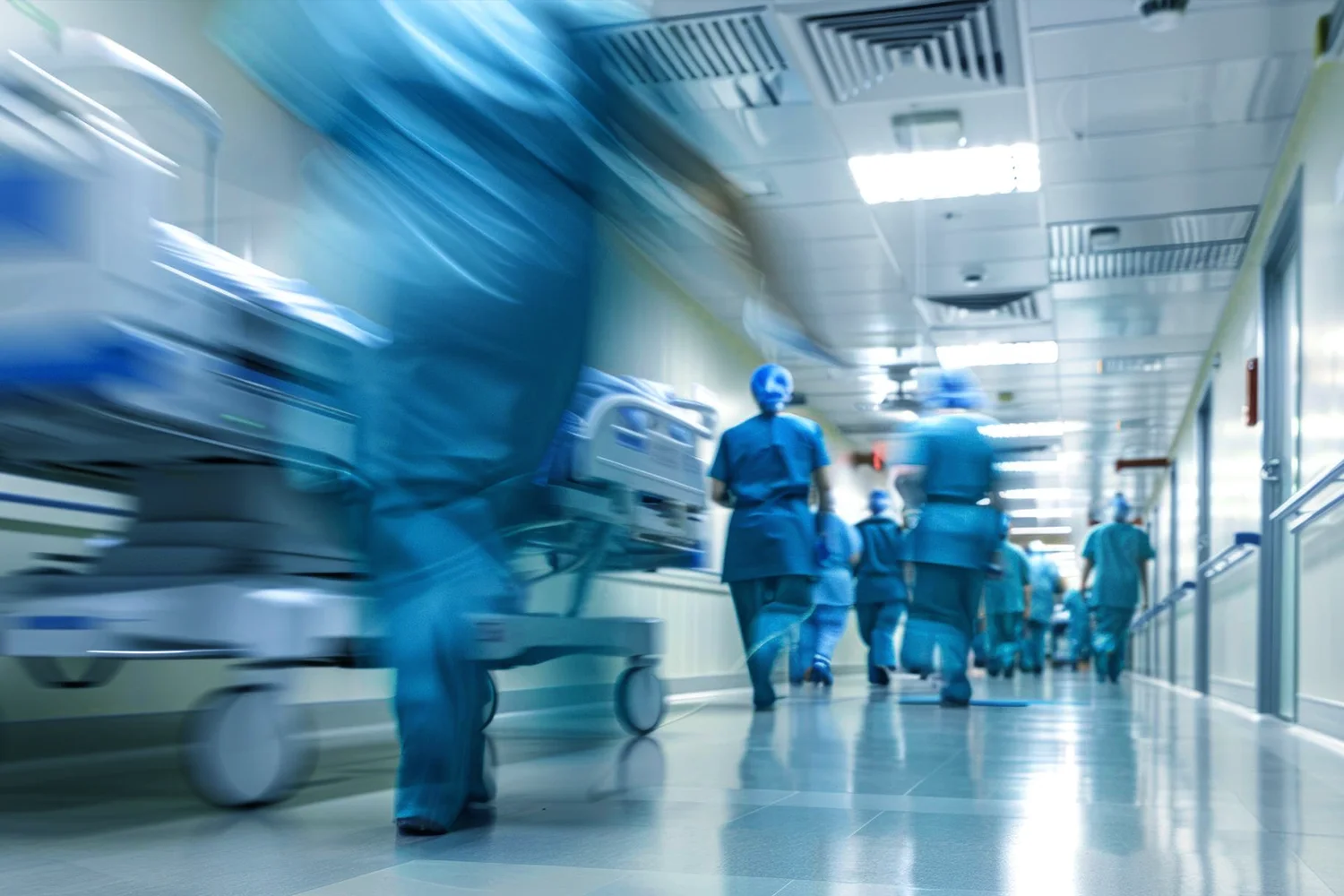
The health crisis resulting from health-related disasters causes disruptions that may affect human health. Hence, the importance of health crisis and disaster management courses offered by Future Vision for Health Training has emerged, as they contribute to preparing medical personnel to deal with health crises and disasters effectively, reducing pressure on the healthcare system and limiting the increase in the number of affected individuals.
The Concept of Health Crisis and Disaster Management in Medical Care
The concept of health crisis and disaster management in medical care includes various preventive measures and strategies that help prepare for disasters in an organized and professional manner, while ensuring rapid and effective response, thereby reducing health impacts on society.
Crisis management in hospitals includes a set of essential operations that help confront disasters and prepare for them before they occur, provide rapid response immediately after a disaster takes place, in addition to offering prompt medical care to the injured and monitoring their recovery.
Its goal is to reduce the number of injuries and provide continuous and organized healthcare during disasters. It also aims to prepare medical institutions and hospitals to face crises, alongside providing all medical resources necessary to support patients and the healthcare system.
The Importance of Health Crisis and Disaster Management for Medical Institutions
Health crisis and disaster management for medical institutions contributes significantly to reducing deaths and injuries by providing adequate support to medical teams and activating government and administrative policies to confront crises. Its importance is also reflected in the following:
1. Protecting Patients’ Lives and Reducing Fatalities:
- Health crisis and disaster management helps medical authorities respond during epidemics and disasters, which contributes to reducing the number of deaths and injuries.
- Healthcare systems also mitigate the effects of disasters on society by providing emergency treatment and healthcare services to the injured.
2. Ensuring the Continuity of Healthcare Services During Disasters:
- Crisis management helps maintain healthcare support services in hospitals during disasters or epidemic outbreaks.
- It also provides future plans for managing resources and medical care to confront disasters, especially when the number of patients exceeds the healthcare system’s capacity.
3. Improving the Preparedness of Hospitals and Medical Staff:
It provides support to hospitals and medical personnel in confronting health disasters and emergency situations through rapid response and by focusing on training medical staff to improve their skills in disaster preparedness and effective response.
4. Organizing Medical Resources and Emergency Management:
It also contributes to organizing and providing human resources such as doctors, nurses, medications, and medical equipment, in addition to organizing patient transportation and managing medical supplies, while ensuring coordination among different healthcare entities.
5. Enhancing the Flexibility of the Healthcare System:
Health crisis and disaster management for medical institutions also contributes to preparing for emergency conditions related to disasters and epidemics, thereby supporting the healthcare system.
6. Supporting Community Health Security:
It also provides healthcare and health security in crisis management and disaster preparedness, which supports public health and limits the spread of diseases during crises.
Types of Health Crises and Disasters and Their Impact on the Healthcare System
Health crises and disasters that countries may face vary, and each requires a different response strategy. أبرز تلك الأزمات ما يلي:
- Epidemics and Diseases: Their danger lies in the ability of infectious diseases to spread widely among large numbers of people within a specific area, as well as their capacity to expand globally. One of the most prominent examples was COVID-19, which infected a large number of individuals, placed pressure on hospitals, caused shortages in medications, hospital beds, and medical equipment, and affected the delivery of routine treatment in hospitals.
- Natural Disasters: These include earthquakes, hurricanes, floods, landslides, and fires. Natural disasters cause many sudden injuries, creating pressure on medical centers and hospitals.
- Industrial Disasters: These include chemical or radiation leaks, or explosions in military facilities, which result in many serious injuries and require rapid intervention from medical teams and well-equipped hospitals.
- Wars: These lead to mass injuries, shortages of medical resources, and the destruction of healthcare infrastructure.
How Health Crises and Disasters Affect the Healthcare System
- Hospitals face tremendous pressure due to the rapid influx of large numbers of injured individuals.
- Medical resources, healthcare services, medications, equipment, and medical staff may not be sufficient to handle the large number of casualties.
- The number of injured individuals may exceed hospital capacity, preventing many from receiving treatment services.
The Role of Future Vision for Health Training in Supporting Health Crisis and Disaster Management
The vision of Future Vision for Health Training in the Kingdom of Saudi Arabia includes helping develop the capabilities and skills of medical teams of all types so they can master all treatment procedures and methods according to the latest technological advancements, as well as deal with emergency and critical cases to save as many lives as possible.
The Health Crisis and Disaster Management course offered by Future Vision for Health Training for all healthcare sector workers aims to develop their skills in understanding and analyzing disasters and their health risks, and learning how to deal with them quickly in order to reduce their harmful effects on public health.
Objectives of the Health Crisis and Disaster Management Course by Future Vision for Health Training
- Providing a comprehensive explanation of the concept of disaster risk.
- Enabling trainees to conduct effective assessments of healthcare institutions’ readiness to deal with such disasters.
- Identifying the necessary preparations to reduce risks.
- Clarifying the strategic roles of disaster risk management.
The Role of Future Vision for Health Training in Supporting Health Crisis and Disaster Management
- Providing effective training for trainees in managing medical disaster risks through courses accredited by the Saudi Commission for Health Specialties, helping them understand disasters, their health risks, and how to deal with them.
- Helping qualify medical personnel to handle crises by offering specialized courses in resuscitation, emergency medicine, and others to provide rapid medical responses.
- Future Vision for Health Training also offers e-learning services to ensure its courses reach the widest possible audience.
Obtaining the Health Crisis and Disaster Management course from Future Vision for Health Training will provide you with the latest techniques and treatment methods for confronting health disasters. It will also enhance your skills and capabilities in delivering rapid emergency services for critical cases, significantly reducing the harmful effects of such crises on public health. Contact us now to reserve your seat in our upcoming course.