Neonatal Resuscitation for Rapid Life-Saving
- Ahmed Atia
- General
Discover the most important neonatal resuscitation techniques to protect newborn lives during critical moments. A comprehensive guide to best medical practices and effective first aid.
Discover the most important neonatal resuscitation techniques to protect newborn lives during critical moments. A comprehensive guide to best medical practices and effective first aid.
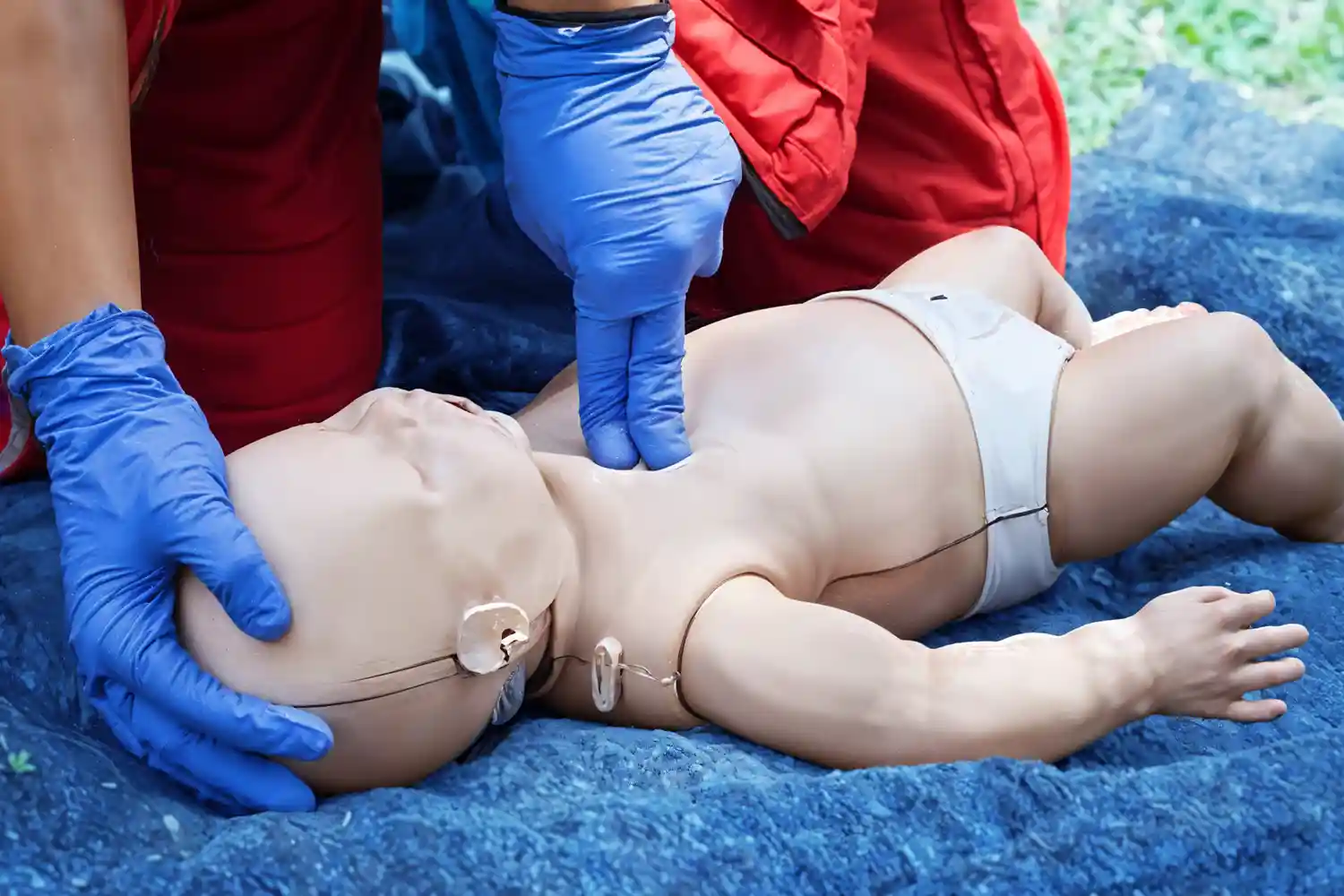
Some newborns may experience breathing difficulties at birth, requiring resuscitation procedures that vary according to the infant’s ability to breathe. While some babies only need basic steps, others may require advanced resuscitation. In this article, we present essential information to help you perform neonatal resuscitation effectively and expand your knowledge—so you can be a reason to save a life.
Approximately 10% of newborns need some assistance to start breathing, and less than 1% require advanced resuscitation. Some infants struggle to transition from intrauterine to extrauterine life due to unique physiological and anatomical characteristics, making resuscitation a sensitive and high-risk procedure. Therefore, preventive measures and skilled performance are crucial to preserving the baby’s life.
Saving the life of a newborn is no less important than saving an adult’s—it is the rescue of a precious soul and the fulfillment of a long-awaited dream for parents who have spent nine months anticipating this moment. That’s why Future Vision Academy for Health Training is dedicated to developing the skills of medical professionals, ensuring they are always prepared to save newborns and make parents’ dreams come true.
Contact us now at 966920035022 to enroll in accredited medical training programs led by experts in neonatal resuscitation.
Some infants die from asphyxia due to the absence of resuscitation or the unavailability of proper equipment. The unpredictability of which newborn will require help makes delivery room emergencies sudden and stressful, requiring rapid and effective response to ensure a safe transition from fetal to neonatal life.
Therefore, accredited neonatal resuscitation training courses are essential for healthcare workers, as they significantly reduce newborn mortality rates caused by birth asphyxia.
Resuscitation must be performed in a warm environment, ideally in a heated room or under a radiant warmer, since low body temperature can hinder resuscitation efforts. Basic resuscitation should begin within the first minute after birth, following five consecutive steps, all of which should be recorded in the newborn’s monitoring chart.
1. Drying:
Gentle tactile stimulation through drying may prompt spontaneous breathing. If the baby begins crying or breathing within the first five seconds, provide routine care. If not, proceed immediately to the next steps.
2. Clearing the Airway:
Lay the baby flat on their back, keeping the neck neutral—neither flexed nor overextended—to maintain an open airway. If secretions are present, gently suction the mouth with a bulb syringe (no deeper than 2 cm, and not exceeding 5 seconds).
3. Stimulation:
Gently rub the newborn’s back and soles with moderate pressure. Avoid shaking, slapping, or holding the baby upside down. If breathing doesn’t start within 5 seconds, stop stimulation and move to the next steps.
4. Clamp and Cut the Umbilical Cord:
If not already done, clamp and cut the cord now.
5. Bag-Mask Ventilation:
Place a bag-mask over the baby’s nose and mouth to prevent air leakage. Hold the mask with one hand (index and middle fingers on one side, thumb on the other), and squeeze the bag 30–60 times per minute for one minute.
This technique is effective when you see the baby’s chest rise and fall. Avoid excessive pressure to prevent pneumothorax (collapsed lung).
If chest movement is absent, check mask seal, connection, and head position. Continue manual ventilation until spontaneous breathing occurs.
Be prepared with the following items during every delivery:
Typical errors that may occur include:
Inadequate ventilation or chest compressions.
Incorrect positioning of the baby’s head and body.
Delayed resuscitation steps.
Failure to maintain body temperature.
Improper use of resuscitation equipment.
To prevent these mistakes, always keep the baby warm, ensure proper ventilation and chest pressure ratios, and allow the chest to fully expand after each compression.
You can enhance your readiness and skills to save newborn lives by enrolling in accredited health training courses from Future Vision Academy for Health Training (FV Academy).
Call us now at 966920035022 to start your certified neonatal resuscitation training.
Hands-on training and simulation are crucial to building confidence and proficiency in neonatal resuscitation. Effective simulation-based learning enables healthcare workers to practice real-life scenarios, ensuring they are fully prepared for emergencies and capable of saving lives.
Improving resuscitation skills and assessing the adequacy of hospital equipment directly contribute to better newborn care and survival outcomes. At Future Vision Academy for Health Training (FV Academy), our mission is to empower the medical workforce through accredited, practical courses that prepare them for this noble responsibility—saving lives, one newborn at a time.
General
Learn about the concept of health crisis and disaster management and the most important strategies used to reduce health risks, achieve rapid response, and protect individuals and institutions during emergencies and epidemics. Select 68 more words to run Humanizer.
General
Learn about Emergency Codes in Hospitals, their meanings, and their role in saving lives, and how they help medical teams respond quickly to critical cases within healthcare facilities.
General
Join Now the Best Remote First Aid Course and Learn How to Handle Emergency Situations Step by Step. Gain Essential Life Skills from Certified Experts and Be Ready to Save Lives Anytime, Anywhere.
We use cookies to give you the best possible experience when you browse our website. By continuing to use it you agree to our use of cookies. Learn more