What is a CME Course and Why Does it Matter?
- M M
- General
Learn what CME courses are and why they’re vital for healthcare providers. Start enhancing your skills today!
Learn what CME courses are and why they’re vital for healthcare providers. Start enhancing your skills today!
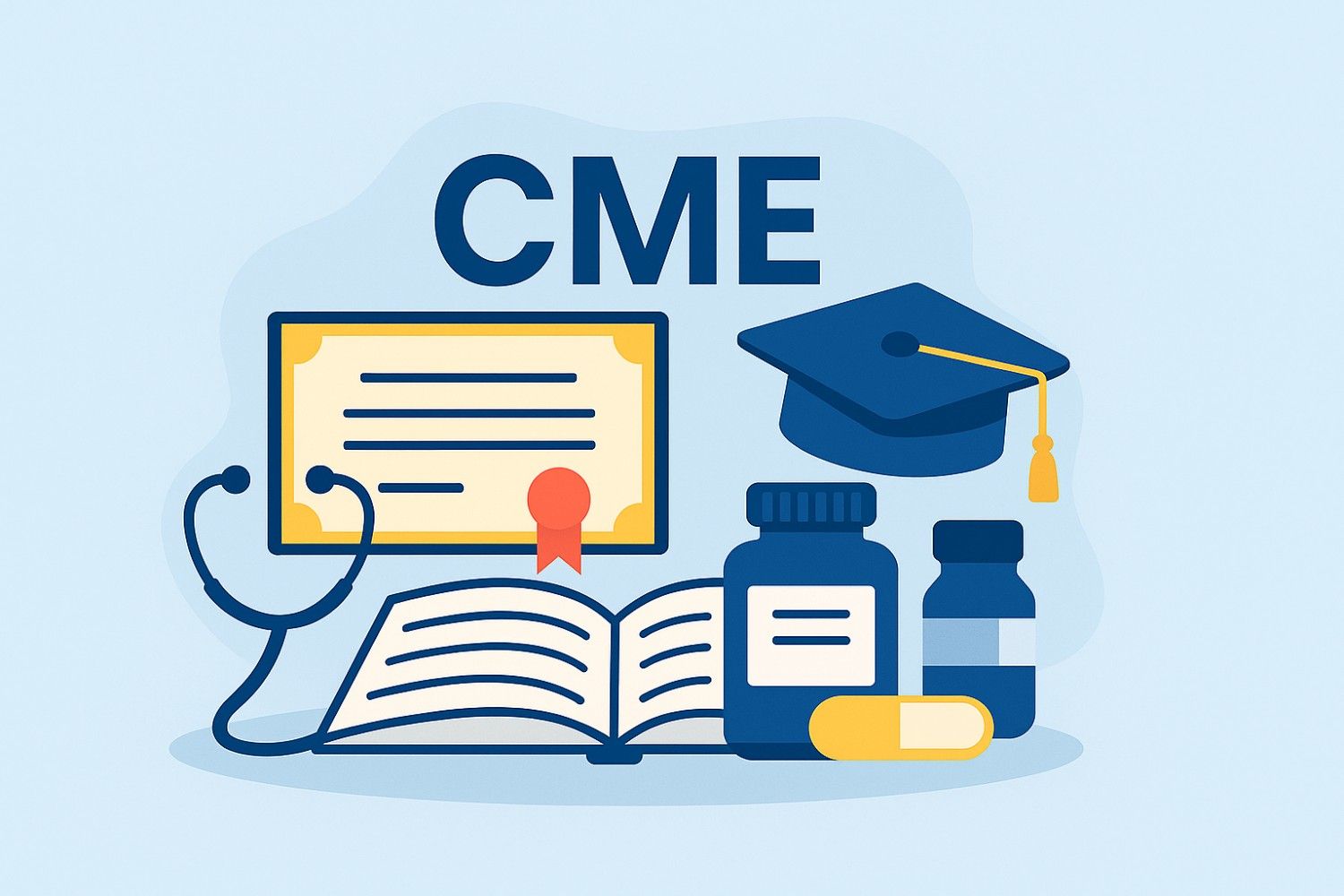
Understanding CME Courses
Continuing Medical Education (CME) courses are structured learning programs designed to help healthcare professionals maintain, develop, and improve their knowledge and skills. These courses ensure practitioners stay up-to-date with the latest advancements and best practices.
Who Needs CME?
CME courses are essential for doctors, nurses, pharmacists, and other healthcare providers. They help professionals meet licensing requirements and demonstrate their commitment to high standards of care.
Types of CME Activities
CME can include seminars, workshops, online modules, conferences, and hands-on training. These activities vary in format but share the goal of enhancing healthcare quality.
Benefits of CME
By participating in CME, healthcare professionals improve their competence, stay informed about new treatments, and comply with regulatory requirements. This ultimately benefits patients through safer, more effective care.
How to Choose the Right CME Course
When selecting a CME course, consider accreditation, relevance to your specialty, and the format that best fits your schedule. Accredited CME courses offer recognized credit hours, which are necessary for professional renewal and certification.
Final Thoughts
CME courses play a crucial role in the lifelong learning journey of healthcare professionals. They ensure that the care delivered today meets the highest standards and adapts to the ever-changing medical landscape.
General
Learn about the concept of health crisis and disaster management and the most important strategies used to reduce health risks, achieve rapid response, and protect individuals and institutions during emergencies and epidemics. Select 68 more words to run Humanizer.
General
Learn about Emergency Codes in Hospitals, their meanings, and their role in saving lives, and how they help medical teams respond quickly to critical cases within healthcare facilities.
General
Join Now the Best Remote First Aid Course and Learn How to Handle Emergency Situations Step by Step. Gain Essential Life Skills from Certified Experts and Be Ready to Save Lives Anytime, Anywhere.
We use cookies to give you the best possible experience when you browse our website. By continuing to use it you agree to our use of cookies. Learn more